
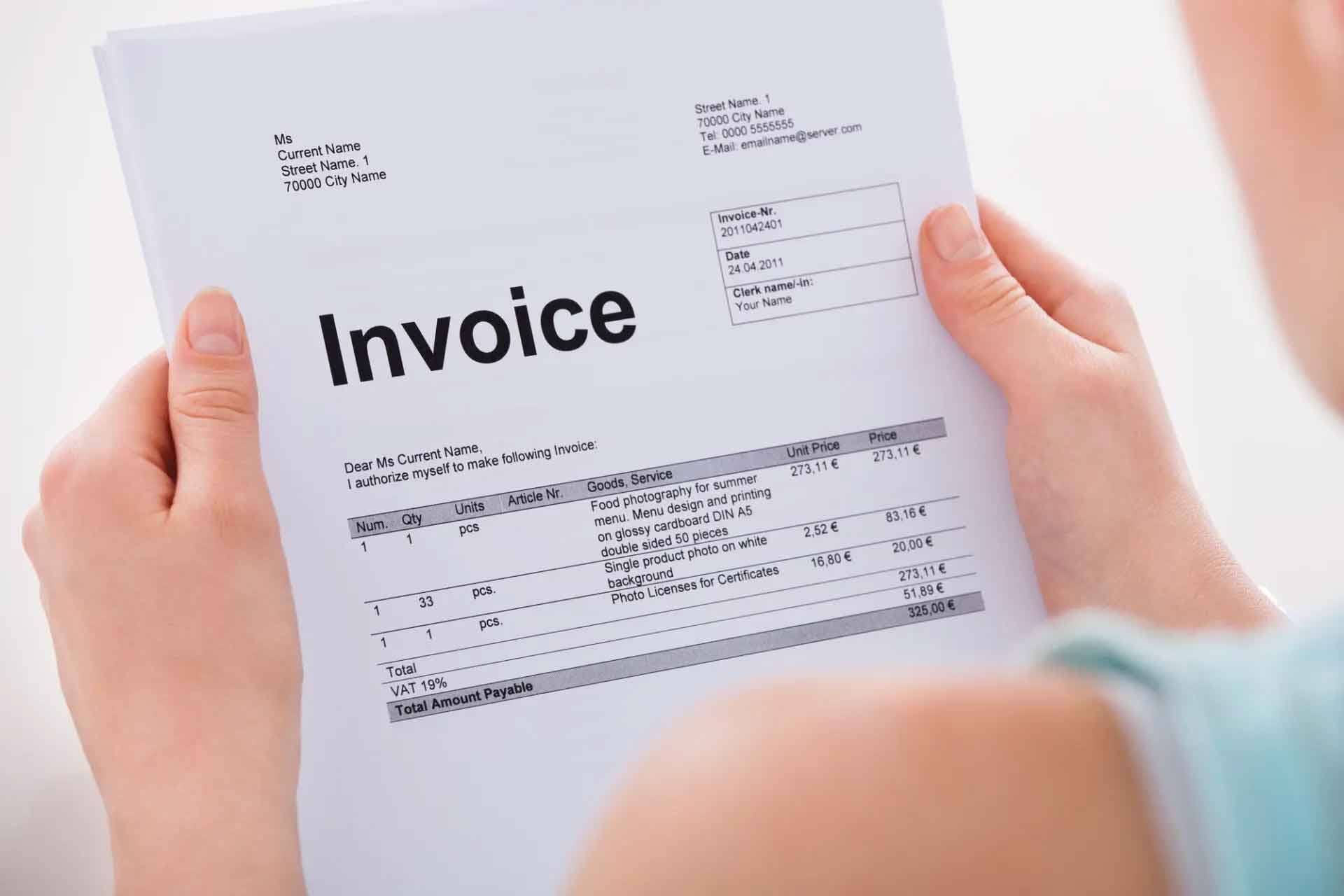
For property owners and managers, every operational improvement is measured by one thing: impact on NOI (Net Operating Income). The faster a utility billing system becomes operational, the faster properties begin recovering costs, reducing waste, and improving efficiency.
At AQUEES, the onboarding process is designed to move properties from installation to first invoice in as little as 30 days — with clear milestones that keep implementation simple and measurable.
Why Speed Matters in Utility Billing
Delays in implementation often mean continued revenue loss through untracked water usage, billing inefficiencies, and owner-paid overconsumption. A fast onboarding timeline helps properties begin recovering utility costs sooner while improving operational transparency for residents.
Every month without accurate billing can mean:
- Higher owner utility expenses
- Missed cost recovery opportunities
- Ongoing water waste
- Limited visibility into consumption patterns
A streamlined setup minimizes disruption while accelerating financial returns.
Week 1: Property Assessment & Planning
The process begins with a property review, done together with your preferred plumber, to understand:
- Unit count and layout
- Existing plumbing infrastructure
- Metering requirements
- Billing preferences
- Resident communication planning
This stage creates the foundation for a smooth rollout and identifies the best strategy for maximizing efficiency and cost recovery.
NOI Impact
Early planning reduces installation delays, avoids operational disruptions, and helps properties move toward faster revenue recovery.
Week 2: Meter Installation & System Setup
Your preferred plumber installs the submeters based on the property’s configuration, while AQUEES coordinates the schedule. The setup is designed to minimize inconvenience for residents while ensuring accurate usage tracking from day one.
At the same time:
- Billing software is configured
- Property data is integrated
- Account structures are created
- Reporting systems are prepared
NOI Impact
Accurate tracking immediately improves visibility into utility consumption and identifies areas of excessive usage or waste.
Week 3: Testing & Resident Onboarding
Before billing begins, the system undergoes testing to ensure accuracy and reliability. Residents are informed about the new billing structure, how charges are calculated, and how transparency benefits everyone.
This phase often includes:
- Usage verification
- Resident notifications
- Account activation
- Customer support setup
Clear communication during this step helps reduce confusion and improves tenant acceptance.
NOI Impact
Fewer billing disputes and stronger resident trust reduce administrative workload and improve long-term tenant satisfaction.
Week 4: First Billing Cycle Begins
By the end of the first 30 days, the property is ready to issue its first usage-based invoice. Owners now have:
- Accurate utility allocation
- Better cost recovery
- Detailed consumption reporting
- Reduced subsidy of heavy users
- Improved operational transparency
From this point forward, properties can begin measuring the long-term financial impact of fair and efficient utility billing.
NOI Impact
Recovering utility costs more accurately directly supports stronger cash flow and improved operating margins.
Long-Term Benefits Beyond the First Invoice
The first invoice is only the beginning. Over time, properties often experience:
- Lower overall water consumption
- Reduced operating expenses
- Improved conservation efforts
- Higher tenant accountability
- Better retention through transparent billing practices
Usage-based billing transforms utilities from an uncontrollable expense into a manageable operational system.
Conclusion
A fast and structured onboarding process allows property owners to begin seeing financial benefits quickly. From installation to the first invoice in just 30 days, AQUEES helps properties improve transparency, reduce waste, and strengthen NOI without creating unnecessary operational complexity.
By combining accurate metering, efficient implementation, and fair billing practices, property owners gain greater control over utility costs while creating a better experience for residents.